

Review
The Aviator by Spribe has become one of the most talked-about online casino-games among players in Singapore. Fast-paced, simple mechanics and a social betting element make it addictive. But one technical factor that can make or break a session is app response times. In this review we examine how latency, interface responsiveness and connection stability affect the Aviator experience for Singapore players, and what practical steps can improve outcomes.
Overview of Aviator
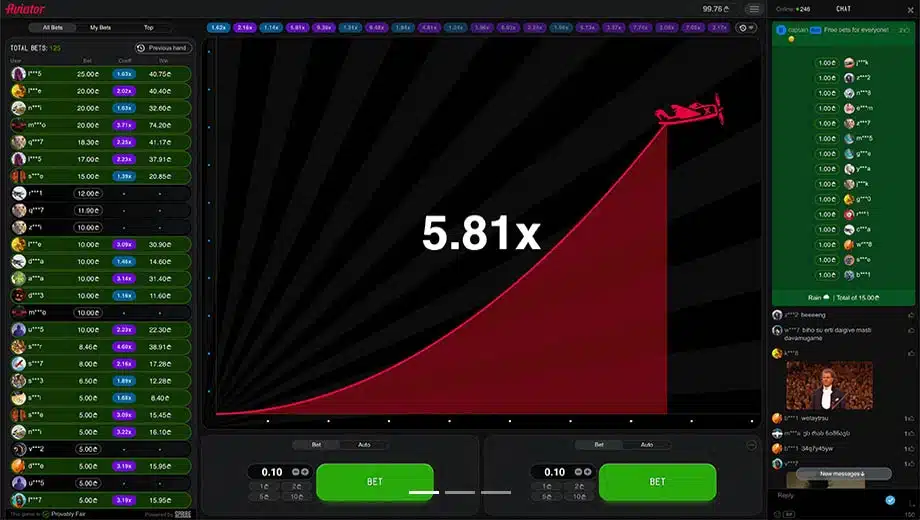
App Response Times in Aviator Game
Aviator is a multiplier-based crash game where a plane (or “aviator”) climbs and the multiplier increases until it crashes. Players place bets before or during a round and must cash out before the crash to lock in a multiplier. The simplicity of the rules contrasts with the need for split-second decisions, which is why response times matter so much.
General Rules
- Place a bet before the round or quickly after it starts.
- Watch the multiplier climb in real time.
- Click “Cash Out” to secure your multiplier before the crash.
- Round results are provably fair; outcomes are determined by the game’s server algorithm.
Why App Response Times Matter
Response time is the delay between player input (e.g., pressing “Cash Out”) and the server acknowledging that input. In Aviator, milliseconds count. A delayed response can mean the difference between a modest multiplier and losing the bet entirely. For Singapore players, where mobile play and public Wi‑Fi are common, even small delays can be significant.
Types of Delays
- Network latency, time for data to travel between the device and the game server.
- Client-side processing — how fast the app or browser renders frames and processes touch events.
- Server-side handling — how quickly the casino’s backend and Spribe’s game servers process and confirm actions.
Typical Effects on Gameplay
Lower response times produce a snappier, more predictable experience: cash-outs register promptly, UI updates are smooth, and live statistics feel immediate. Higher response times introduce uncertainty: players may press cash-out but see the multiplier continue to rise and then crash, leading to frustration and perceived unfairness.
Example Scenarios
- If your app has 50–100 ms round-trip time and the client is optimized, cash-outs are near-instant and you can aim for higher multipliers with confidence.
- If latency climbs to 300–500 ms (common on congested mobile networks), you may consistently miss tight exits and experience “ghost” taps that feel unregistered.
- When server-side queuing occurs during heavy load, even low network latency won’t prevent delayed confirmations; actions may be confirmed seconds later, which in Aviator is catastrophic.
Where to Play in Singapore
Choosing a reliable casino operator matters. Some licensed operators route traffic through optimized connections and maintain up-to-date web clients, improving app response times for local players. Look for casinos with local servers or strong CDN infrastructure that advertise low latency and real-time game performance.
App and Device Considerations
Practical Tips for Better Response Times
- Use a stable Wi‑Fi connection or a strong 4G/5G signal; avoid crowded public Wi‑Fi.
- Close background apps and disable battery saver modes during play.
- Use browsers recommended by the casino (Chrome, Firefox, Safari up-to-date).
- Prefer casinos with local infrastructure or good CDN coverage for Asia/Southeast Asia.
- Consider the demo mode to test how responsive the game feels before wagering real money.
Demo
All reputable casinos offering Aviator provide a demo or free-play version. Use it to measure perceived delay: start several rounds and practice cashing out at target multipliers. If your taps feel delayed or the UI stutters, switch network or device until it feels immediate. Demo mode is invaluable for calibrating expectations before real bets.
Questions and answers
frequently asked questions
- Q: Can app response time cause unfair losses? A: No — outcomes are determined server-side fairly. But delayed input acknowledgment can cause a player to miss the cash-out window, which feels unfair even though the system is functioning as designed.
- Q: How much latency is acceptable? A: Under 100–150 ms is ideal; Between 150–300 ms can be playable but risky. Above 300 ms is problematic for aiming at narrow exit points.
- Q: Does the casino or Spribe control the delay? A: Both matter. Spribe hosts the game logic, but the casino’s infrastructure, network routing and load-balancing influence real-world latency for players in a specific region;
Expert feedback
Experienced Player
“I play Aviator nightly. The biggest improvement I made was switching to a local casino with better routing to Spribe servers. My cashouts became much more reliable, I lost fewer small bets due to lag.”
Technical Analysis of App Response Times
From a technical standpoint, the flow is: client registers input → sends request to game server → server confirms event → result propagated back to clients. The app must also render smooth UI frames (ideally 60 FPS). Bottlenecks occur at any of these stages, and diagnosing them requires simple tests: ping/latency checks to the casino, FPS monitoring on the device, and load tests if the casino experiences heavy traffic.
Measuring Latency
- Use built-in network diagnostics or third-party apps to measure ping and jitter to the casino’s domain.
- Observe the time between tapping cash-out and seeing the confirmation in milliseconds using a high-speed camera or specialized tools.
- Test under different networks (home Wi‑Fi, mobile data) and at different times to spot peak-hour degradation.
How to Minimize Impact During Play
Quick operational tips for Singapore players:
- Plan conservative cash-out strategies when on uncertain networks, smaller, earlier cash-outs reduce risk from latency.
- If a round starts to feel laggy, skip aggressive bets until connection stabilizes.
- Report consistent delays to casino support and request trace logs; many casinos will investigate routing or recommend server options.
Analysis of the Popularity of Aviator in Singapore
Aviator’s popularity in Singapore stems from its social format, short rounds and potential for big multipliers in a single click. The game’s accessibility on mobile fits Singapore’s high smartphone penetration. However, the technical requirement for low-latency play means that players with subpar connections may not enjoy the same results, creating a divide between casual players on café Wi‑Fi and those on optimized home networks.
Factors Driving Popularity
- Short, social rounds suitable for mobile play.
- Provably fair mechanics that reassure savvy players.
- Low learning curve and high emotional payoff from well-timed cash-outs.
Player Experience: Interview Excerpt
Player Who Won at This Slot
“I remember the night I hit 250x — everything felt crisp. My connection was rock solid, and the cash-out registered instantly. A week later, on a train with patchy signal, I lost two high bets back-to-back. The difference was purely technical, not game fairness. Since then I stick to home Wi‑Fi.”
App response times in Aviator are a critical, often overlooked element of player success and satisfaction. While the game’s fairness is ensured by server-side mechanics, responsiveness affects a player’s ability to interact with those mechanics. For players in Singapore: pick casinos with local routing or known low-latency performance, test in demo mode, optimize your device and network, and adapt betting strategy to connection quality. These steps will maximize enjoyment and reduce losses caused by technical delays rather than poor decisions.
Additional Resources
Try the demo before betting, read casino-specific performance notes, and consult support if you encounter repeated delays. If you value quick, competitive Aviator play, prioritize infrastructure and connection quality as much as bankroll management.